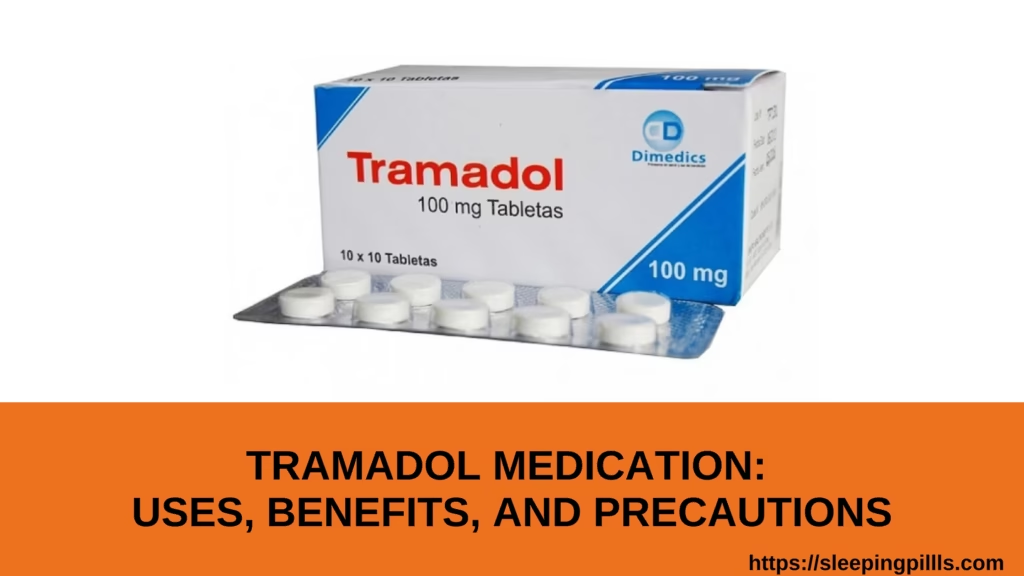
Tramadol is a synthetic opioid used to treat moderate to moderately severe pain. Doctors often prescribe it as an alternative to stronger opioids. It provides pain relief with fewer side effects than NSAIDs or traditional opioids.
You can take tramadol in immediate-release or extended-release form. Doctors prescribe it for pain after surgery, injuries, or chronic pain when other painkillers fail.
Introduction
Tramadol is an opioid analgesic, which is a synthetic substance and is used to treat moderate to moderately severe pain. Tramadol is the medicine that has been developed as an alternative to traditional opioids which can provide pain relief and reduce the chances of some side effects that NSAIDs and stronger opioid medicine can produce.
Doctors prescribe immediate-release or extended-release.
And it is often used in the treatment of pain after surgery, trauma, and chronic pain where other analgesics are not effective.
(More Detail): How tramadol 100mg helps manage chronic pain
Mechanism of Action
The analgesic properties of tramadol can be explained by the fact that it interacts with a variety of neural systems within the central nervous system.
It is mostly a weak agonist of the μ-opioid receptors (MOR).
Its O-desmethyl metabolite (M1), which is formed in the process of liver metabolism, is far more potent at the same receptor.
Tramadol is also an inhibitor of serotonin and norepinephrine reuptake, which resembles the measures of serotonin-norepinephrine reuptake inhibitors (SNRI).
Consequently, Tramadol offers non-opioid and opioid analgesia.
Uses of Tramadol Medication
Tramadol has several indications in regard to pain:
Acute Pain: Intense pain occurs after surgery or traumatic injuries and is not relieved by the use of lesser analgesics.
Chronic Pain: Osteoarthritis, back pain, and neuropathic pain, which is not responding to NSAIDs or acetaminophen.
Cancer Pain: It can be used in conjunction with a multimodal regimen when it is difficult to treat the pain.
The use of tramadol medication in children below the age of 12 or in younger patients who have undergone some types of surgical operations is not advisable because of the high incidence of respiratory depression.
Benefits of Tramadol Medication
The popularity of Tramadol has a number of benefits:
Dual Mechanism: It has combined opioid and SNRI activity, which offers a wide spectrum of pain relief. Particularly to the type of pain not easily managed by conventional opioids.
Lower Gastrointestinal Risk: Tramadol does not have the same gastrointestinal risk (stomach ulcers or bleeding) as NSAIDs; hence, it is appropriate in patients with gastrointestinal sensibilities.
Reduced Risk of Lower Respiratory Depression: Tramadol is less likely to develop a severe effect on breathing when compared to stronger opioids, but the likelihood of developing this effect remains.
Flexible Administration: Tramadol is available in both oral tablets and in long-acting dosage preparations. One can easily use it in the short or in the long term.
Dosage & Administration
The right dosage is essential to safety and effectiveness:
Starting Dose: Adults usually start with 50-100 mg every 4-6 hours as required to treat pain.
Maximum Dose: Do not exceed 400 mg per day; extended-release tablets should only be used in case of chronic pain and only by prescription because of the schedule of dosing.
Adjustment: The dosage should be lowered in elderly patients or those with liver disease and kidney disease to avoid build-up and toxicity.
Administration: You need to gulp down pills and never chew them, as chewing will prevent quick absorption and could lead to an overdose.
Side Effects
Tramadol, similar to any other medicine, has some side effects, some of which need urgent treatment:
Adverse effects: nausea, vomiting, dizziness, constipation, headache, drowsiness, sweating, and dry mouth.
Serious: Seizures (more so with high dosage or in those susceptible to them), respiratory depression, serotonin syndrome (when used with other serotonergic medications), allergies (rashes, swelling).
Tolerance: Prolonged use results in tolerance and physical dependency.
Risks, Dependence, and Abuse Potential.
Despite the fact that tramadol UK is known to be less addictive than other, stronger opioids, there is a risk of dependence and abuse:
Potential Malese: Continuous use may lead to tolerance, withdrawal and mental dependence.
Potential for Abuse: Individuals who have a history of substance misuse or psychiatric disease are more vulnerable.
Withdrawal: Withdrawal may result in withdrawal symptoms like other opioids, such as anxiety, sweating, nausea, and tremors, in response to withdrawal following long-term use.
Interactions and Contraindications Interactions.
Tramadol uk combines with numerous medications, and the interaction can increase toxicity or decrease efficacy:
Other CNS Depressants: The risk of dangerous respiratory depression and sedation increases significantly when an individual consumes alcohol, sedatives, or other opioids.
Antidepressants: Interactions with SSRIs, SNRI, MAOI or tricyclic antidepressants increase the possibility of serotonin syndrome- life-threatening.
Enzyme Inhibitors: Inhibiting either CYP2D6 or CYP3A4 can alter the metabolism of Tramadol and requires adjustments in dosing.
Other Medical Conditions: To be avoided in severe respiratory impairment, acute intoxication or in persons prone to seizures.
Special Considerations
Extra care is necessary to some populations:
Pregnancy and Breastfeeding: Tramadol contraindicated except in situations of absolute necessity. Because of the potential of developing neonatal withdrawal, birth defects, or the toxicity of the body to breastfed newborns.
Older: Greater susceptibility implies the need to use fewer doses and conduct more frequent surveillance.
Children: CONTRA-indicated (not advised in children younger than 12 years old) and administered with severe restrictions only in adolescents.
Renal/Hepatic Impairment: Lower the dosage to prevent medicine retention and medicine reaction.
Alternatives & When Not to Use
Tramadol is not applicable to every kind of pain or the patients:
NSAIDs or Acetaminophen: These safer substitutes can be helpful with mild pain, as well as inflammatory pain.
Other Opioids: In case of severe pain, or failure to keep pain at bay using Tramadol medication, perhaps more potent opioids such as morphine or oxycodone can be suggested but with higher risks.
Non-pharmacological Alternatives: People can use tramadol medication as a supplement or an alternative in certain situations. It involves physical therapy, cognitive-behavioural therapy and complementary interventions.
Avoidance: In patients who have a history of substance abuse, epilepsy, or severe difficulties in breathing, then alternatives should be sought.
Monitoring, Safety Tips
You should maintain some precautionary measures, such as:
Frequent Follow-up: Oversee reaction, adverse effects, and indications of misuse, particularly in dose fluctuations or chronic treatment.
Education: One can inform such patients about potential side effects and symptoms of overdose, including excessive drowsiness, slow breathing, or even fainting.
Medication Compliance: buy tramadol online as prescribed and never share it with anyone; do not leave it around children and pets.
Medicine Interactions: Provide all medicines and supplements to the medical professionals to minimise the risk.
Read More: Safe Use of Tramadol for Sleep Guidelines and Precautions
Conclusion
Tramadol is also a useful pain treatment medicine with proper use and close monitoring. Its two actions provide good analgesia activity for various types of pain, though side effects, interactions with other medicines, and risk of abuse should be taken into account. The main measures that can maximise the benefit of tramadol and minimise the harm are responsible prescribing, patient education, and frequent monitoring. Therefore, one should always seek the advice of a healthcare provider when using any pain management regimen or changing it.
To buy tramadol online, one may look at sleepingpillls website.
Frequently Asked Questions
What is the maximum daily dose of tramadol?
Tramadol has a maximum recommended dose of 400 mg, 50 to 100 mg in 4-6 hourly doses. In older patients who are over 75, the maximum is normally 300 mg per day.
Is tramadol addictive?
Certainly, tramadol may be addictive, particularly when taken over a long period. It can cause tolerance, dependence and it may have a withdrawal effect, although it has lower abuse potential compared with conventional opioids.
Is tramadol an opioid drug?
Tramadol belongs to a group of synthetic opioids. It acts on opioid receptors to produce analgesia, as well as blocking the reuptake of neurotransmitters; therefore, it is both an opioid and a central analgesic.
How quickly does tramadol relieve pain?
Tramadol tends to act within one hour once the oral dose is administered and reaches its peak of action some two to three hours after administration. Immediate-release forms are faster than extended-release ones.
Where to buy tramadol?
Tramadol is a prescription medicine, and it is only supposed to be acquired in licensed pharmacies, either in a hospital or in a community-based pharmacy with a valid doctor’s prescription. You cannot make a legal purchase without a prescription.
Is tramadol effective in chronic pain or acute pain?
Tramadol is applicable in chronic and acute pain treatment based on the nature and severity of pain. It uses when treated for persistent pain relief, after surgery or as a last resort to other analgesics.