
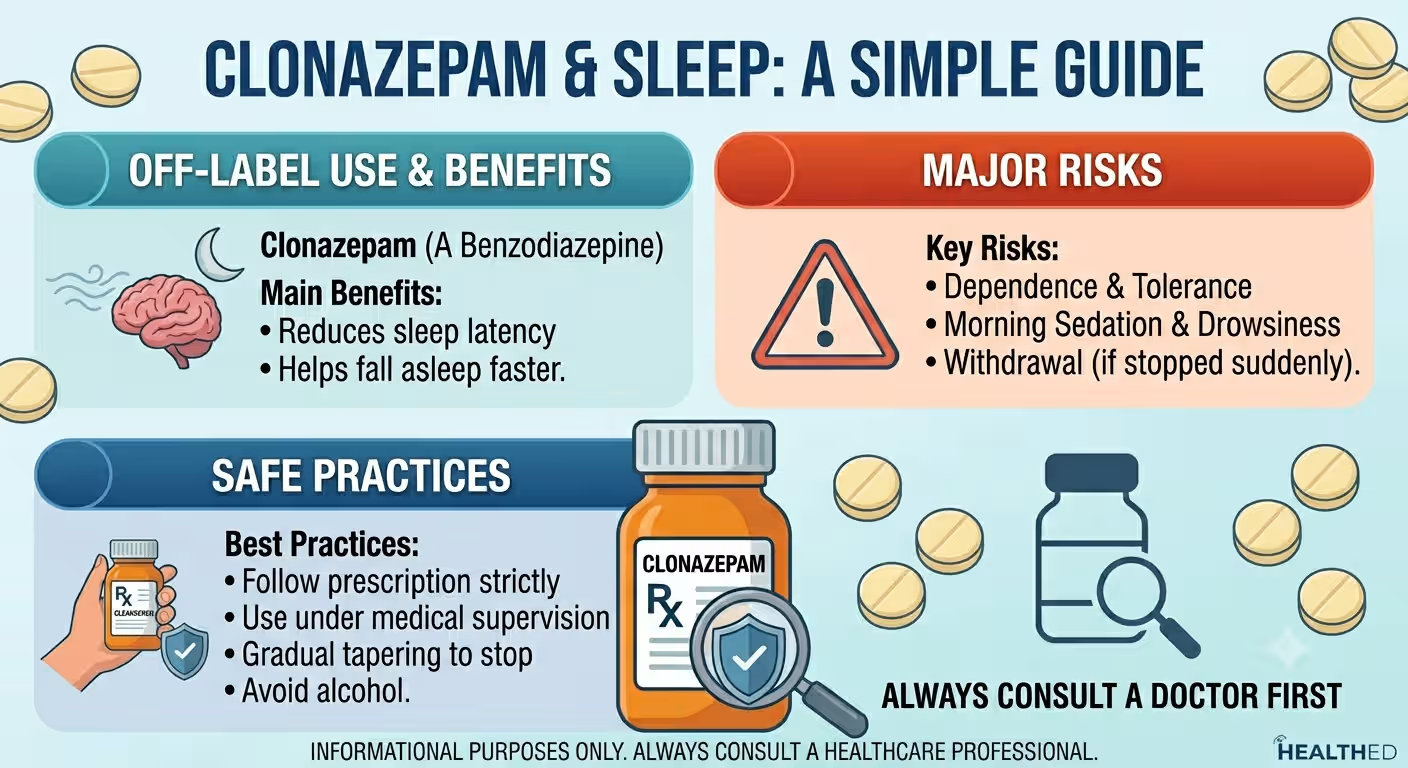
Getting a good night’s rest is vital for your health, but for millions of people worldwide, sleep doesn’t come easily. If you struggle with chronic insomnia or nighttime anxiety, you might be wondering about medical solutions. One medication that frequently enters the conversation is Clonazepam. But does it actually help you sleep safely? While it is primarily known as an anti-anxiety and anti-seizure medication, many people look to buy clonazepam uk specifically to combat sleep disturbances. In this comprehensive guide, we will break down how Clonazepam works, its benefits, the risks of using it for sleep, and how to use it safely under a doctor’s supervision.
Does Clonazepam Help You Sleep
Yes, clonazepam can help to sleep a bit easier because it puts the brakes on the brain’s activity & produces a very calming effect – that’s probably why people with anxiety or panic issues tend to sleep a lot better on it when they take it as they’re supposed to.
But the thing is, clonazepam is not a go-to solution for people with chronic insomnia. The long-term use of this medication to help you sleep is usually not recommended because eventually your body just gets used to it & stopping cold turkey can lead to nasty withdrawal symptoms.
If your sleep problems have been going on for weeks & weeks, you really need to get to the bottom of why this is happening – and that’s not just a job for the pills alone. Get yourself an appointment with a doc and let them run some tests.
What Is Clonazepam?
Clonazepam belongs to a class of medications called benzodiazepines. It is a prescription-only drug commonly known under the brand name Klonopin. It is classified as a central nervous system (CNS) depressant, meaning it slows down brain activity to produce a calming effect. Because of its potency and potential for habit formation, it is strictly regulated in most countries.
How Does Clonazepam Work?
Clonazepam works by enhancing the effects of a natural chemical messenger in the brain called GABA (gamma-aminobutyric acid).
How GABA Affects the Brain:
GABA is an inhibitory neurotransmitter. Think of it as the brain’s internal brake system. When Clonazepam increases GABA activity, it reduces the excitability of nerve cells, effectively calming an overactive nervous system, relaxing muscles, and easing feelings of intense panic or anxiety.
When Is Clonazepam Prescribed?
Medical professionals primarily prescribe Clonazepam for FDA-approved indications, which include:
-
Panic Disorder: To prevent and reduce the frequency of panic attacks.
-
Seizure Disorders: As an anticonvulsant to manage certain types of epilepsy (such as akinetic or myoclonic seizures) in both adults and children.
-
Movement Disorders: Sometimes used off-label to treat akathisia (severe restlessness).
Can Clonazepam Be Used for Insomnia?
Yes, but typically only as a short-term or off-label solution. Because Clonazepam induces drowsiness and muscle relaxation, it can help you fall asleep faster and stay asleep longer. However, medical guidelines generally do not recommend it as a first-line treatment for chronic insomnia. It is most effective when sleep issues are directly caused by acute anxiety, severe panic, or specific sleep disorders like REM Sleep Behavior Disorder (RBD) or restless legs syndrome.
Benefits of Clonazepam
When used correctly and under strict medical supervision, Clonazepam offers several distinct therapeutic benefits:
-
Rapid Relief: It begins working relatively quickly, usually within 20 to 60 minutes.
-
Long-Lasting Effects: Unlike short-acting sedatives, Clonazepam has a long half-life (remaining in the body for 30 to 40 hours), which prevents nighttime awakenings.
-
Reduction of Sleep-Related Anxiety: It stops the racing thoughts that often keep people awake at night.
Important Safety Information
Before you consider making a clonazepam tablet online purchase, it is critical to understand the safety warnings associated with benzodiazepines:
-
Dependency and Tolerance: Your body can quickly adapt to Clonazepam. Over time, you may need a higher dose to achieve the same sleep-inducing effect (tolerance), which can lead to physical and psychological dependence.
-
Withdrawal: Stopping Clonazepam abruptly after regular use can trigger severe withdrawal symptoms, including rebound insomnia, severe anxiety, tremors, and even seizures. Never stop taking this medication cold turkey.
-
Black Box Warning: Clonazepam carries a strict warning regarding the risks of abuse, misuse, addiction, and profound sedation or respiratory depression if combined with other downers.
Who Should Avoid Clonazepam?
Clonazepam is not safe for everyone. You should avoid this medication or exercise extreme caution if you have:
-
A history of substance abuse or addiction.
-
Severe respiratory issues or Sleep Apnea (as it can further slow breathing).
-
Narrow-angle glaucoma.
-
Severe liver disease.
-
Pregnancy or are breastfeeding (it can affect the developing baby).
How to Take Clonazepam Safely
-
Follow the Prescription Exactly: Take only the precise dose prescribed by your doctor. Do not increase the dose on your own.
-
Short-Term Use Only: Limit use to the duration recommended by your physician (typically no more than 2 to 4 weeks for sleep issues).
-
Take It Before Bed: Consume the tablet roughly 30 minutes before your planned bedtime, ensuring you have at least 7 to 8 hours to dedicate to sleep.
-
Avoid Counterfeits: If you decide to look for options to buy clonazepam uk vendors online, ensure you are using a fully licensed, reputable, regulated pharmacy that requires a valid prescription to avoid dangerous counterfeit pills.
Possible Side Effects
Like all medications, Clonazepam can cause side effects.
Common Side Effects:
-
Drowsiness and fatigue
-
Dizziness or lightheadedness
-
Unsteadiness or loss of coordination (increased risk of falls in the elderly)
-
“Hangover” effect (feeling sluggish the next morning)
Less Common/Serious Side Effects:
-
Confusion or memory problems
-
Mood swings, irritability, or unusual behavior
-
Depressed mood or suicidal thoughts
Drug Interactions
Clonazepam interacts dangerously with substances that also slow down brain and respiratory function. Do not mix Clonazepam with:
-
Alcohol: This combination can cause fatally low breathing rates and extreme sedation.
-
Opioid Pain Medications: (e.g., codeine, tramadol, oxycodone) Highly increased risk of coma or death.
-
Other Sleep Aids or Antihistamines: Can compound drowsiness and impair coordination.
What to Do If You Miss a Dose
If you take Clonazepam nightly for a specific condition and miss a dose:
-
Take it as soon as you remember, if you still have time for a full 7–8 hours of sleep.
-
If you wake up in the middle of the night or it is close to your morning waking time, skip the missed dose and resume your regular schedule the next night.
-
Never double the dose to make up for a missed one.
Storage Information
-
Store tablets at room temperature, away from moisture, heat, and direct sunlight.
-
Keep the medication in a secure place, strictly out of reach of children and pets.
-
Do not share your medication with others; selling or giving away Clonazepam is illegal and dangerous.
When to Seek Emergency Medical Help
Seek immediate emergency medical attention if you or someone taking this medication experiences:
-
Difficulty breathing or shallow, slow breathing.
-
Inability to wake up or extreme, unresponsive drowsiness.
-
Signs of a severe allergic reaction (hives, swelling of the face, tongue, or throat, severe dizziness).
Final Thoughts
Clonazepam is a highly effective medication for calming an overactive nervous system, making it a powerful short-term tool for breaking the cycle of anxiety-induced sleeplessness. However, because of the high risk of dependence, tolerance, and next-day grogginess, it is not a permanent cure for insomnia.
If you are struggling to sleep, prioritize lifestyle changes, sleep hygiene, and Cognitive Behavioral Therapy for Insomnia (CBT-I). Always speak to a licensed physician before starting, stopping, or altering a Clonazepam regimen to protect your health and well-being. At Sleepingpillls, our goal is to provide clear, evidence-informed educational information to help readers better understand medications and support informed discussions with their healthcare professionals.
Frequently Asked Questions (FAQs)
1. Is Clonazepam a good sleeping pill?
It can effectively cause drowsiness and help you sleep, but it is primarily an anti-anxiety and anti-seizure drug. It is generally reserved for short-term use when anxiety is the root cause of insomnia.
2. Can I take Clonazepam every night for sleep?
Taking it every night long-term is highly discouraged. Doing so increases the risk of physical dependence, addiction, and severe rebound insomnia once you stop.
3. How long does Clonazepam stay in your system?
Clonazepam has a long half-life of 30 to 40 hours. This means it can take several days for a single dose to completely clear out of your body.
4. What is the standard dose of Clonazepam for sleep?
Doses for sleep are highly individualized but usually start very low (e.g., $0.25\text{ mg}$ to $0.5\text{ mg}$ before bed) to minimize morning grogginess.
5. Will Clonazepam make me feel tired the next day?
Yes, due to its long-lasting nature, many users experience a “hangover” effect, characterized by daytime sleepiness, sluggishness, or a lack of coordination the next morning.
6. Can I safely buy clonazepam uk online?
You can only purchase it legally online through a verified, registered pharmacy that requires a legitimate prescription from a licensed doctor. Buying from unregulated sites is illegal and highly risky.
7. What is the difference between Clonazepam and Xanax?
Both are benzodiazepines, but Xanax (Alprazolam) is short-acting and acts quickly to halt acute anxiety, while Clonazepam is long-acting, offering sustained effects over a longer duration.
8. Can I drink coffee the morning after taking Clonazepam?
Yes, caffeine can help reduce the next-day grogginess caused by Clonazepam, but it won’t fully reverse the cognitive or motor impairment if the drug is still heavily in your system.