
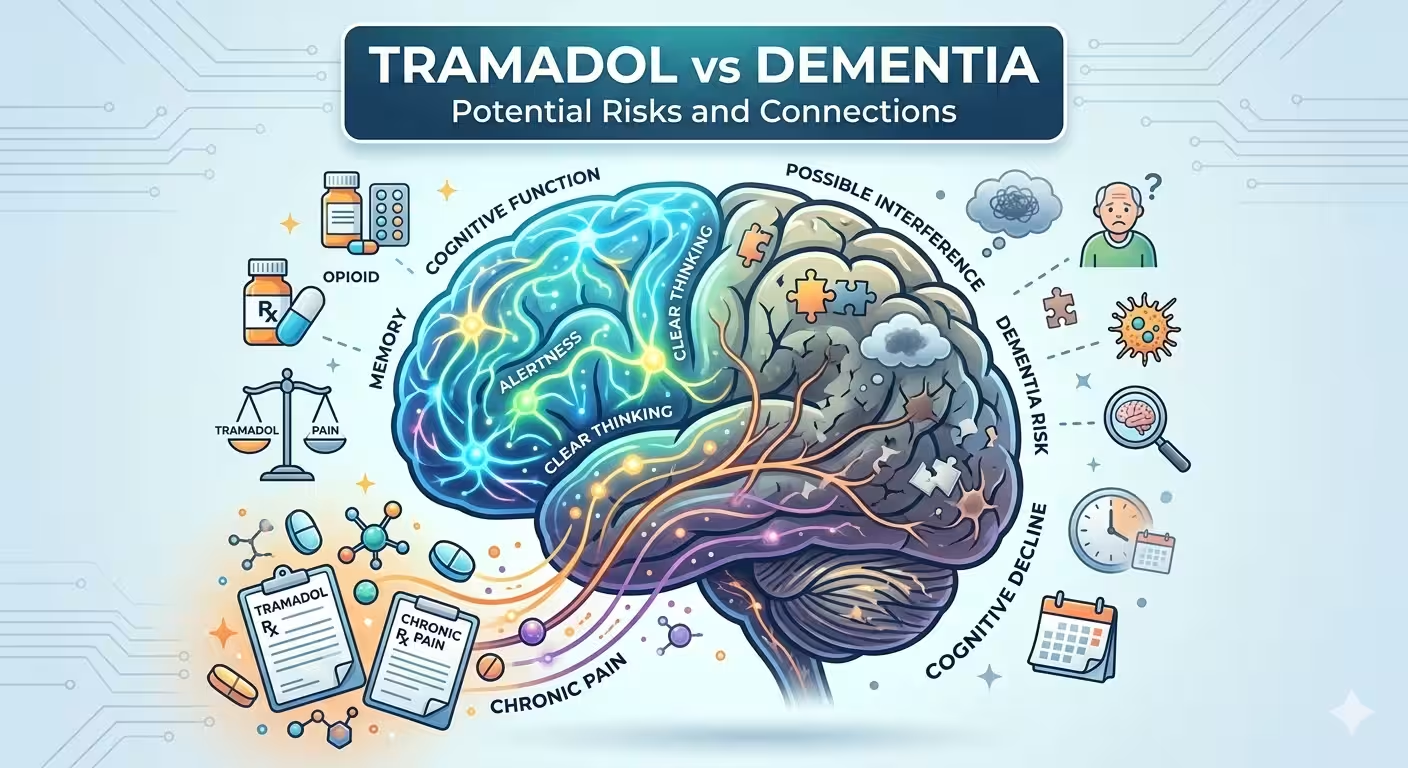
Many people worry that memory loss or confusion experienced while taking tramadol may be an early sign of dementia. Although these symptoms can appear similar, they are not the same condition. Current evidence has not established that tramadol directly causes dementia, but the medicine may contribute to temporary cognitive side effects such as drowsiness, confusion, or difficulty concentrating in some people, particularly older adults. Understanding the differences between medication-related side effects and the symptoms of dementia can help patients and caregivers know when to seek medical evaluation.
What Is Tramadol?
Tramadol is a prescription opioid pain medication commonly used to treat moderate to moderately severe pain. It works by affecting pain signals in the brain and nervous system while also influencing certain neurotransmitters, including serotonin and norepinephrine.
Read More>> Tramadol Medication
Doctors may prescribe tramadol for:
- Chronic pain conditions
- Post-surgical pain
- Arthritis-related discomfort
- Injury recovery
- Neuropathic pain in some cases
What Is Dementia?
Dementia is not a single disease but a collection of symptoms that impact memory, thinking, communication, and daily activities. It happens when brain cells are damaged and cannot communicate properly.
Tramadol vs Dementia: The Main Difference
The biggest difference between tramadol and dementia is that tramadol is a medication, while dementia is a progressive neurological condition.
| Factor | Tramadol | Dementia |
|---|---|---|
| Type | Prescription pain medication | Neurological disorder |
| Purpose | Pain relief | Not medication; a medical condition |
| Onset of Symptoms | Often shortly after use or dose changes | Gradual development over months or years |
| Reversibility | Side effects may improve after stopping medication | Usually progressive and irreversible |
| Cause | Medication effects on the nervous system | Brain cell damage and degeneration |
| Treatment | Dose adjustment or alternative medication | Long-term management and support |
Can Tramadol Cause Dementia?
There is no clear evidence that tramadol directly causes dementia in healthy people. However, tramadol can cause temporary cognitive side effects that may resemble some symptoms of dementia.
Learn More>> tramadol side effect
Potential tramadol-related effects include:
- Confusion
- Drowsiness
- Difficulty concentrating
- Memory lapses
- Slower thinking
- Reduced alertness
These symptoms may be more noticeable in:
- Older adults
- People taking high doses
- Individuals using tramadol for long periods
- Patients taking multiple medications
Because these effects can resemble dementia symptoms, medical evaluation is important when cognitive changes occur.
When Should You Speak to a Healthcare Professional?
Symptoms of Tramadol Side Effects
Some people experience mental or cognitive side effects while taking tramadol.
Common symptoms include:
Brain Fog
Brain fog refers to feelings of mental sluggishness or difficulty focusing. Individuals may struggle to complete tasks requiring concentration.
Drowsiness
Tramadol may cause sedation, especially during the first few days of treatment or after dosage increases.
Temporary Memory Problems
Some users report occasional forgetfulness while taking opioid medications.
Confusion
Confusion may occur more frequently in elderly patients or those with other health conditions.
Reduced Mental Alertness
Tasks requiring quick thinking or decision-making may become more challenging.
These effects are often temporary and may improve when the medication is adjusted or discontinued under medical supervision.
Symptoms of Dementia
Unlike medication side effects, dementia symptoms tend to worsen gradually over time.
Common signs include:
Persistent Memory Loss
People with dementia often forget important information repeatedly and may not remember it later.
Difficulty Performing Familiar Tasks
Daily activities such as cooking, managing finances, or driving may become increasingly difficult.
Language Problems
Individuals may struggle to find words or follow conversations.
Disorientation
People may become confused about dates, locations, or time.
Changes in Judgment
Decision-making abilities often decline as dementia progresses.
Personality and Behavioral Changes
Mood swings, anxiety, depression, or unusual behaviors may occur.
Can Dementia Patients Take Tramadol?
Doctors may sometimes prescribe tramadol for pain management in individuals with dementia. However, caution is needed because dementia patients can be more sensitive to opioid-related side effects.
Key Takeaways
- Tramadol is a prescription pain medication and is not a form of dementia.
- Temporary confusion or memory difficulties may occur in some people taking tramadol, particularly older adults.
- Dementia is a progressive neurological condition that typically worsens over time.
- Similar symptoms do not necessarily mean the underlying cause is the same.
- Persistent cognitive changes should always be assessed by a qualified healthcare professional.
Conclusion
Understanding the relationship between tramadol and dementia is crucial, as both can impact memory, concentration, and mental clarity. While tramadol is a pain medication that may cause temporary cognitive side effects, dementia is a progressive neurological condition with long-term brain changes.
Despite some overlapping symptoms, they differ significantly in causes, progression, and treatment. If confusion, memory loss, or cognitive changes occur during tramadol use, consulting a healthcare professional is essential for proper diagnosis and guidance.
We aim to provide reliable education on medications, sleep health, and wellness to help readers make informed health decisions. Recognizing the differences between tramadol side effects and dementia symptoms enables patients and caregivers to understand risks and seek appropriate medical advice.
Frequently Asked Questions
1. Can tramadol cause dementia?
There is currently no strong evidence that tramadol directly causes dementia. However, tramadol may cause temporary side effects such as confusion, drowsiness, or memory problems that can resemble dementia symptoms.