
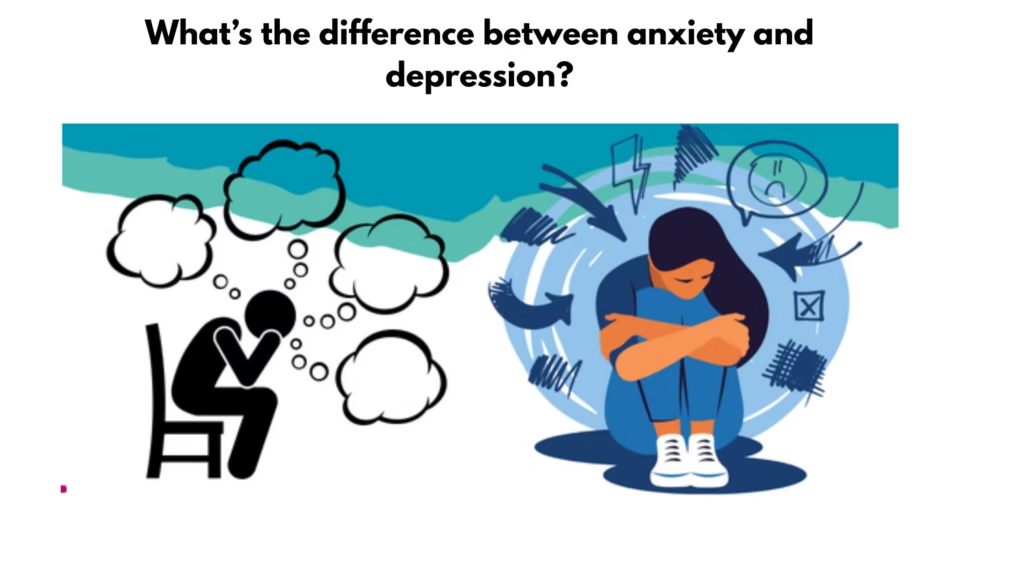
Anxiety and sadness are frequent terms as mental health awareness rises and the stigma surrounding mental health decreases. But unlike experiencing occasional transitory anxiety or depression, having a mood disorder is a specific mental health illness. Though they are two different diseases, anxiety and depression are both mental health disorders and often coexist. The two differ mostly in their experience and in their mental markers, or way of expression for symptoms. Depression and anxiety can coexist or one can develop in response to the other.
About Anxiety
Even when there is no clear or immediate threat, anxiety is a condition marked by excessive fear, worry, or nervousness. Unlike normal fear, which is a response to real danger, anxiety is often future-focused and may not have a specific cause.
People with anxiety often feel:
- Constant worry
- Fear of unknown situations
- Mental restlessness
- Physical tension
Anxiety is not the same as stress, as it can occur without a direct trigger and may persist for long periods.
What does anxiety look like?
Anxiety can affect both the mind and body. Even without any real danger, a person may feel stuck in a constant state of fear or worry.
Physical symptoms include:
- Racing heartbeat
- Dizziness or vertigo
- Shortness of breath
- Sweating or shaking
- Sleep difficulties
Mental symptoms include:
- Overthinking
- Negative thought cycles
- Difficulty focusing
- Irritability
- Feeling “on edge”
In some cases, medication for anxiety and sleep may be prescribed by doctors to help manage sleep disturbances caused by severe anxiety. These should only be taken under medical supervision.
Define Depression
Depression is a mood disease sometimes known as serious depressive illness or clinical depression. Depression, also known as clinical depression or major depressive disorder, is a mood disorder that affects emotions, thoughts, and behavior.
It is more than sadness. A person with depression may feel:
- Persistent low mood
- Loss of interest in life
- Hopelessness
- Emotional emptiness
A clinical diagnosis is usually made when symptoms last for two weeks or longer.
Depression Symptoms
Severe enough symptoms of major mental illness can also clearly interfere with daily activities including employment, education, or socialising. From person to person, the frequency and degree of symptoms will differ; some people just have a few while others have numerous.
Common symptoms include:
- Consistent depressed, nervous, or “empty” mood
- Feeling depressed
- Feeling unworthy
- Frustration, irritation, or angry outbursts
- Interest or pleasure lost in
Anxiety vs Depression: Key Difference
Although they share similarities, there are key differences:
- Anxiety = excessive fear and worry about the future
- Depression = persistent sadness and loss of interest in life
However, both conditions often occur together and can worsen each other if untreated.
Medicine for Depression and Anxiety
Treatment depends on severity and medical diagnosis. Common approaches include therapy, lifestyle changes, and prescribed medication.
Common treatment options:
- Cognitive Behavioral Therapy (CBT)
- Stress management techniques
- Lifestyle changes (sleep, exercise, diet)
- Prescription medications under doctor supervision
Doctors may prescribe different medicines depending on the condition.
Best medication for anxiety
The best medication for anxiety varies from person to person. Doctors may prescribe anti-anxiety medicines or antidepressants based on symptoms and medical history.
Depression medication
Depression medication is often prescribed to balance brain chemicals that affect mood. These are selected carefully by healthcare professionals.
Anxiety Sleep Pills
In some cases where anxiety affects sleep, doctors may prescribe anxiety sleep pills for short-term relief. These help improve sleep quality but must only be used under strict medical supervision due to dependency risks.
Where to Get Treatment
Anxiety and depression medications should only be obtained through licensed healthcare providers or certified pharmacies. Professional medical advice ensures safe and effective treatment.
Conclusion
Online certified and reliable pharmacies allow one to order anxiety and depression medication. In addition, selecting a licensed practitioner guarantees legal and safe access to therapies. One such reliable website is Sleepingpillls, which provides a selection of medicines including treatments for anxiety and depression. For individuals looking for help, our discreet delivery and skilled support make the process easier. Always consult a healthcare professional before beginning any medication.
Frequently Asked Questions (FAQ)
1. What is the best medication for anxiety?
There is no single “best” medication for anxiety. Doctors choose treatment based on symptoms, severity, and medical history. Commonly prescribed options may include medicines such as Alprazolam, Diazepam but these should only be used under strict medical supervision.
2. Are anxiety medications safe?
Anxiety medications can be effective when used correctly, but they may also cause side effects such as drowsiness or dependence. They should always be taken as prescribed by a doctor.
3.Do anxiety and depression use the same medicines?
In some cases, similar types of medications may be used for both conditions, but treatment plans vary depending on the patient’s condition and severity.
4. Is online medicine safe for anxiety or depression?
Online information can be helpful, but medicines should only be taken from licensed sources with a valid prescription. Always verify safety before use.